The Vocations Office

Vocations and Ordained Ministry

Vocations Office · United Roman-Ruthenian Church

The liturgical life and ministry of the Church

Discernment within the Church

A Vocation of Faithful Service

The United Roman-Ruthenian Church certifies clergy primarily through its suffragan jurisdictions, including the Diocese of Rome-Ruthenia, the Catholicate of Rome-Ruthenia, and other dioceses under its spiritual authority.

The Church maintains a high standard for its clergy and religious in accordance with the nature of a clerical or religious vocation. Applicants seeking admission to the clergy or religious orders of the Church are generally accepted from those known personally to a current cleric—or, for a postulant to a religious order, a current religious—with significant interaction for at least one year.*
Priestly ministry in the United Roman-Ruthenian Church

Preparation and understanding

Vocations Resources and Required Reading

From first inquiry to sacred ministry

The Path of Formation

Formation proceeds through discernment, application, examination, theological study, practical preparation, and the judgment of the competent ecclesiastical authority.
Clerical vocation and service
Phase I

Aspirant Phase

Candidates begin in the aspirant phase. Here they consider and reflect on their potential vocation. From this phase, candidates enter the full period of discernment known as the postulancy.
Begin the guided discernment process.

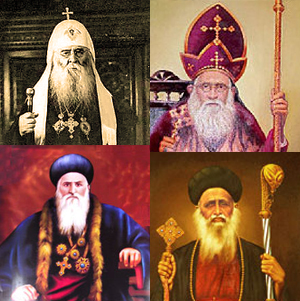
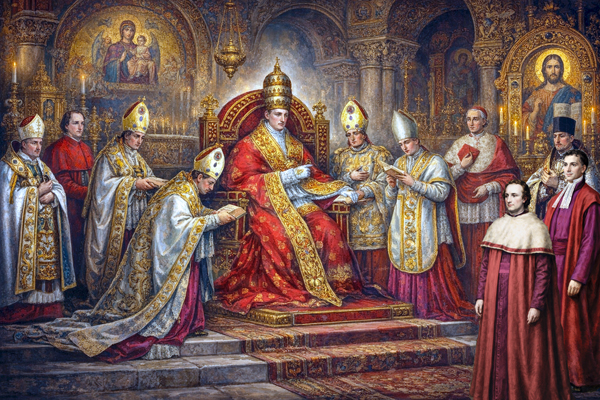
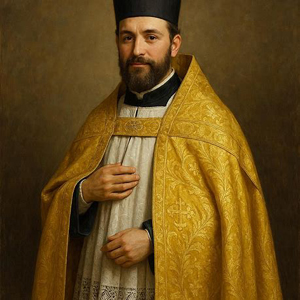
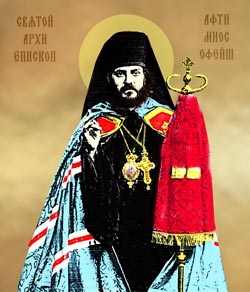
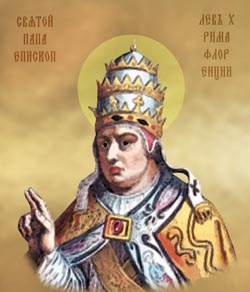
St. Aftimios OfieshPope St. Leo X
Phase II

Postulant Phase

The clerical postulancy generally lasts from six months to one year, and sometimes longer. It is a period of continued discernment, though it is not itself a formal status or designation.
Consult the Postulancy Guide.

Discernment and preparation for clerical service
Phase III

Application Phase

Candidates must complete the formal application, undergo a background investigation, and submit the results of a psychological evaluation by a licensed psychiatrist or psychologist.

Candidates must take the Clerical Oath (permanently binding upon admission to the clerical state), the Oath Against Modernism, and the Application Oath. Read the prescribed oaths. Upon admission, all applicants, seminarians, and clergy accept the de facto authority and jurisdiction of the Holy Apostolic See.

Successful candidates at the end of the Application Phase pass to the Interview Phase. See also the Clerical Affiliation and Ministry Agreement.
Ecclesiastical formation and interview
Phase IV

Interview Phase

Candidates are then interviewed. At the end of this phase, successful postulants are admitted as Minor Seminarians in the Holy Apostolic See’s official seminary, Pontifical Georgian College, and invested with the clerical cassock.

Religious candidates who successfully complete this phase continue with postulancy and novitiate according to the customs of their order.
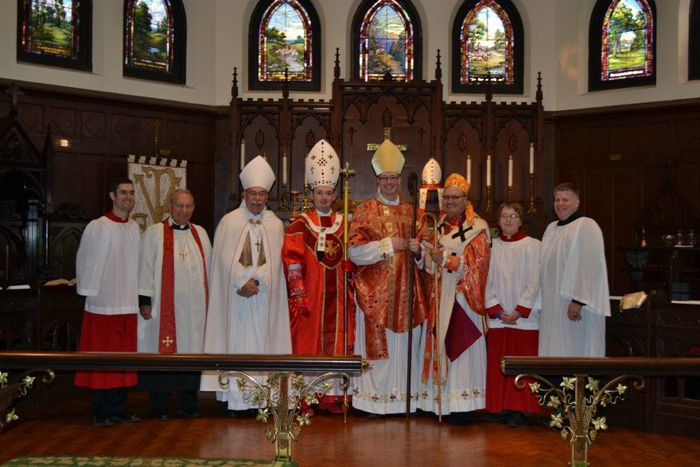
Seminary formation in the Church
Phase V

Minor Seminary

This period of instruction is designed to be completed either alongside the last two years of a general baccalaureate degree or after completion of a baccalaureate degree. Successful completion leads to the Diploma of Sacred Theology and admission to Major Seminary.

Minor Seminarians usually receive First Tonsure and the Orders of Porter and Lector during their studies. Minor Seminary is required of all candidates and may progress more rapidly for those who already hold a baccalaureate degree.
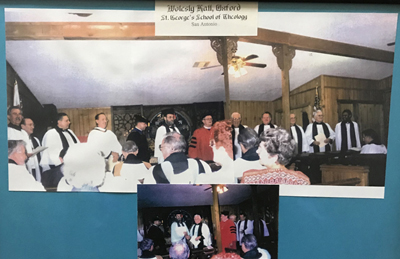
Completion of theological formation
Phase VI

Major Seminary

This period of rigorous instruction and practice is typically four years in duration. Seminarians must be in residence at an approved ecclesiastical facility and may have additional residency requirements at other facilities to ensure the highest possible level of training and experience.

The course of study is subdivided into eight levels, each corresponding roughly to a semester. Seminarians typically receive the Orders of Exorcist and Acolyte at the end of Levels 3 and 4 respectively. The Sub-Diaconate is usually conferred in the middle of the third year after the required ordination examinations. The Diaconate is typically conferred at the end of the third year, following interviews and successful completion of the General Ordination and Liturgical Examinations for the Diaconate. Successful completion of Major Seminary leads to the Licentiate of Sacred Theology.
Cleric prepared for ordained ministry
Phase VII

Ordination Candidate Phase

Those who have successfully completed the Licentiate of Sacred Theology and have been ordained to the Diaconate may petition for ordination to the Presbyterate.

This requires an oral examination by a Board of Examining Chaplains, a written General Ordination Examination, a written General Liturgical Examination, and other practical examinations as required. Those who pass may petition their bishop for admission and ordination to the Presbyterate. Ordination remains at the final discretion of the jurisdictional bishop.

* Occasionally exceptions may be granted for those recommended by a cleric of the Roman or Anglican Communions or Eastern Orthodox jurisdictions.

Ready to Begin?

The application follows serious reflection, appropriate personal knowledge, and the initial process of vocational discernment.

Clergy and Religious Application


The United Roman-Ruthenian Church certifies clergy primarily through its suffragan jurisdictions, including hte Diocese of Rome-Ruthenian, the Catholicate of Rome-Ruthenia, and other dioceses under its spiritual authority. The church maintains a high standard for its clergy and religious in accordance with the nature of a clerical or religious vocation. Applicants seeking to be admitted to the clergy or religious orders of the of the church are generally accepted from those known personally to a current cleric (or a religious in the case of a postulant to a religious order) of the Church with significant interaction for at least one year.*


Vocations Resources and Required Reading

Aspirant Phase

Candidates begin in the aspirant phase. Here they consider and reflect on their potential vocation. From this phase, the candidates enter into the full period of discernment known as the postulancy. (See our discernment guide here.)


Postulant Phase

The clerical postulancy lasts generally for up to 6 months to a year, sometimes longer. This is a time of continued discernment, though it is not a formal status or designation. (See our discernment guide here.)


Application Phase

Candidates must complete the formal application, undergo a background investigation, and submit the results of a psychological evaluation by a licensed psychiatrist or psychologist. Candidates must take the Clerical Oath (permanently binding upon their admission to the clerical state), the Oath Against Modernism, and the Application Oath. (Click here for the text of these oaths.) Upon admission, all applicants, seminarians, and clergy accept the de facto authority and jurisdiction of the Holy Apostolic See. Successful candidates at the end of the Application Phase pass to the Interview Phase. (See also the Clerical Affiliation and Ministry Agreement.)


Interview Phase

Candidates are then interviewed. At the end of this phase, successful postulants are admitted as Minor Seminarians in the Holy Apostolic See's official seminary, Pontifical Georgian College, and invested with the clerical cassock. (Religious candidates who successfully complete this phase continue with the postulancy and novitiate according to the customs of their order.)


Minor Seminary

This period of instruction is designed to be done either in conjunction alongside the last two years of a general baccalaureate degree or after completion of a baccalaureate degree. Successful completion leads to the Diploma of Sacred Theology and admission to Major Seminary. Minor Seminarians usually receive First Tonsure and the Orders of Porter and Lector along the course of their studies. Minor Seminary is required of all candidates and may progress faster for those already with a baccalaureate degree.


Major Seminary

This period of rigorous instruction and practice is typically 4 years in duration. Seminarians must be in residence at an approved ecclesiastical facility and may have additional residency requirements at other facilities for the purpose of ensuring the highest possible level of training and experience. The course of study is subdivided into 8 levels, each corresponding roughly to a semester. Seminarians typically receive the Orders of Exorcist and Acolyte at the end of Level 3 and Level 4 respectively. The Sub-Diaconate is usually conferred at the middle of the third year after passing the required ordination examinations. The Diaconate is typically conferred at the end of the third year, after interviews and passing the General Ordination and Liturgical Examinations for the Diaconate. Successful completion of the Major Seminary course leads to the Licenciate of Sacred Theology.

Ordination Candidate Phase

Those who have successfully completed the Licenciate of Sacred Theology and have been ordained to the Diaconate may petition for ordination to the Presbyterate. This requires an oral examination by a Board of Examining Chaplains, a written General Ordination Examination, a written General Liturgical Examination, and other practical examinations as required. Those who pass these examinations may petition to their bishop to be admitted and ordained to the Presbyterate. Ordination is at the final discretion of the jurisdictional bishop.

 * Occasionally exceptions may be granted for those recommended by a cleric of the Roman or Anglican Communions or Eastern Orthodox jurisdictions.

Clergy and Religious Application


Entire Page Copyright © 2009, 2020, 2022, 2025. United Roman-Ruthenian Church
Legal Statements